
Wine · Monks & terroir · Reference page
The Cistercians and the Clos de Vougeot
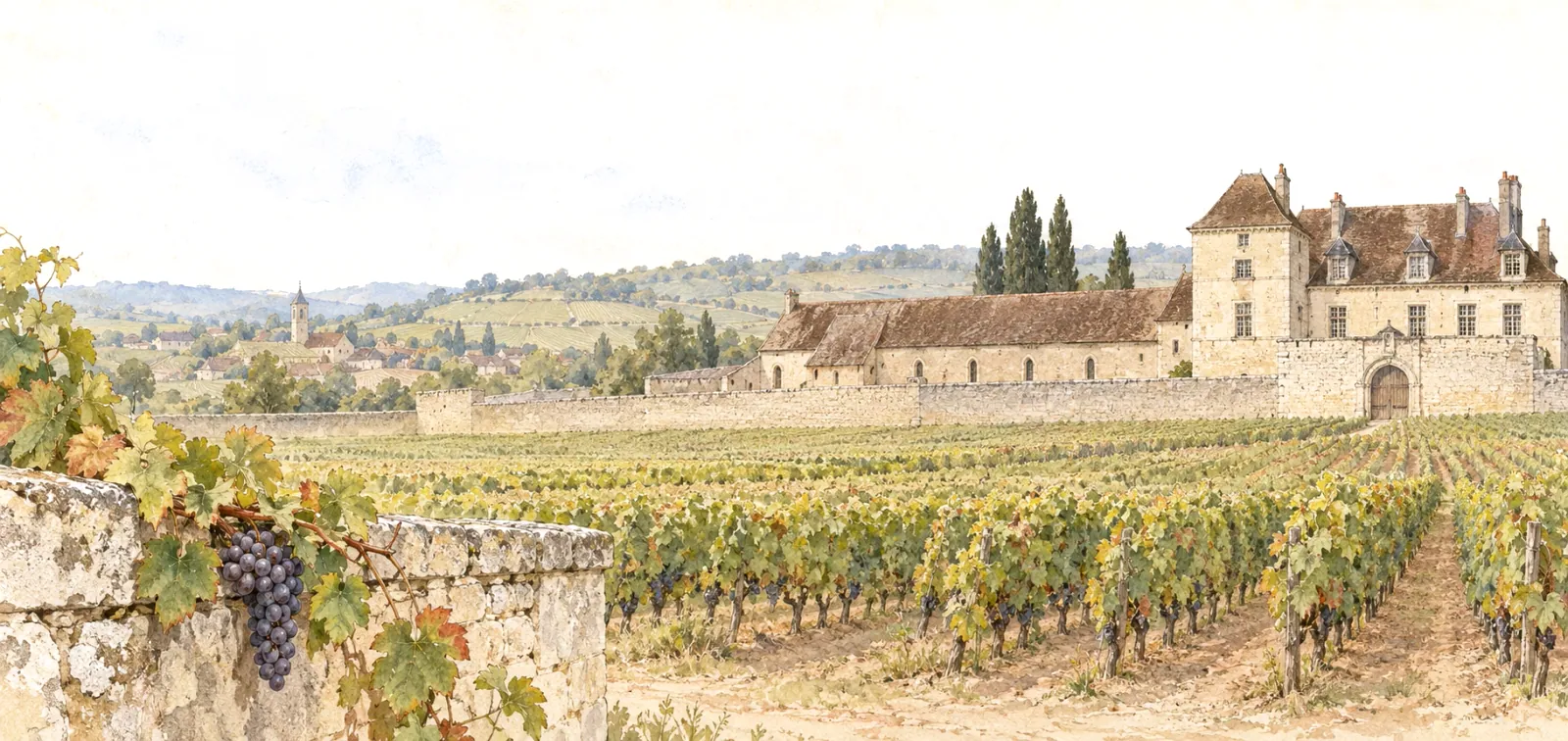
For almost seven centuries the monks of Cîteaux owned and built up a walled vineyard of about 50 hectares in the Côte de Nuits. The Clos de Vougeot then passed to a banker, was sold and divided, and in the twentieth century became the symbol of Burgundy. Part of that symbol was built after the monks had gone.
The white monks
In 1098 Robert of Molesme founded a new monastery at Cîteaux, not far from Vougeot. He wanted a stricter return to the Rule of Saint Benedict than he saw among the monks of Cluny. Under Bernard of Clairvaux in the twelfth century the Cistercians, the "white monks", became one of the great orders of Christendom, with a rule that balanced prayer and manual work.
Burgundy already had vines and monastic vineyards: the Cluniac order, founded in 909, held vineyards in the Côte Chalonnaise and the Mâconnais. But the Cistercians became major landowners on the Côte de Nuits and the Côte de Beaune, and close to Cîteaux they received their first vines at the very start of the twelfth century, on ground that would become the Clos de Vougeot. The order also held vineyards near Chablis and Chalon-sur-Saône.
Building the clos
The oldest building on the site is the cellier, the wine store, built between about 1160 and 1170, at the moment the monks began buying vineyards to round out their holding. A cuverie with presses is first mentioned in a text of 1175; the two oldest presses still standing are later, dated 1478 and 1489. A dormitory housed the convers, the order's lay brothers.
Purchases continued for centuries. By the fifteenth century the monks had assembled the walled vineyard of about 50 hectares that exists today. In Burgundy a clos is a vineyard enclosed by walls, built to keep animals out. In 1551 Dom Loisier, the forty-eighth abbot of Cîteaux, added a Renaissance residence, with a north façade turned to the road of the time. For the first time a building on the site served prestige rather than winemaking.
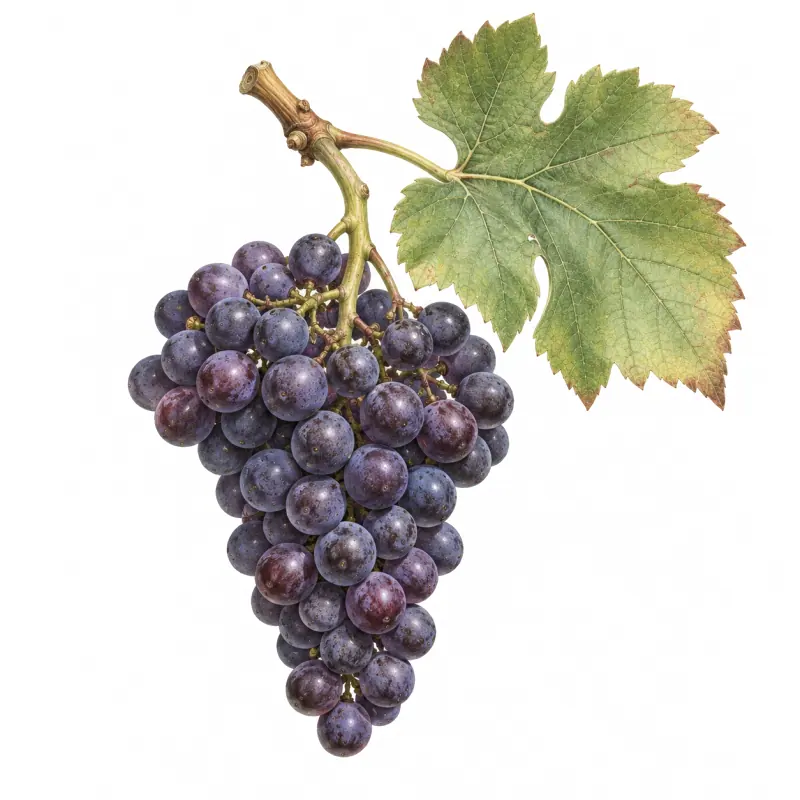
Wine mattered to the monks for several reasons. It was needed for the liturgy, it was part of their diet, it was served to guests and used as a gift to bind networks of power, and from the end of the twelfth century it was sold widely and brought the abbey a large income. Burgundy's dukes also shaped what grew on the slopes: in 1395 Philip the Bold banned the high-yielding Gamay and favoured Pinot Noir.
Banker, merchants and eighty-odd owners
By the eighteenth century the wine was sold under its own name and stood at the top of Burgundy's informal hierarchy. In 1790 the Revolution dissolved Cîteaux and confiscated its lands. After the sale of national property the Clos passed in 1818 to the banker and deputy Jules Ouvrard, who owned it as a single estate until 1861; his heirs kept it until 1889. Ouvrard, who also owned Romanée-Conti and the Clos de Bèze for a time, sold the wine through a Paris firm, the Compagnie des grands vins de Bourgogne, until 1870, and kept the name's prestige intact. Nineteenth-century authorities confirmed its rank: André Jullien in 1816 put it in the first class of the kingdom, Morelot (1831) and Lavalle (1855) called it hors ligne, beyond category, and the Beaune agricultural committee's plan of 1860, shown in London in 1862, placed it among the têtes de cuvée.
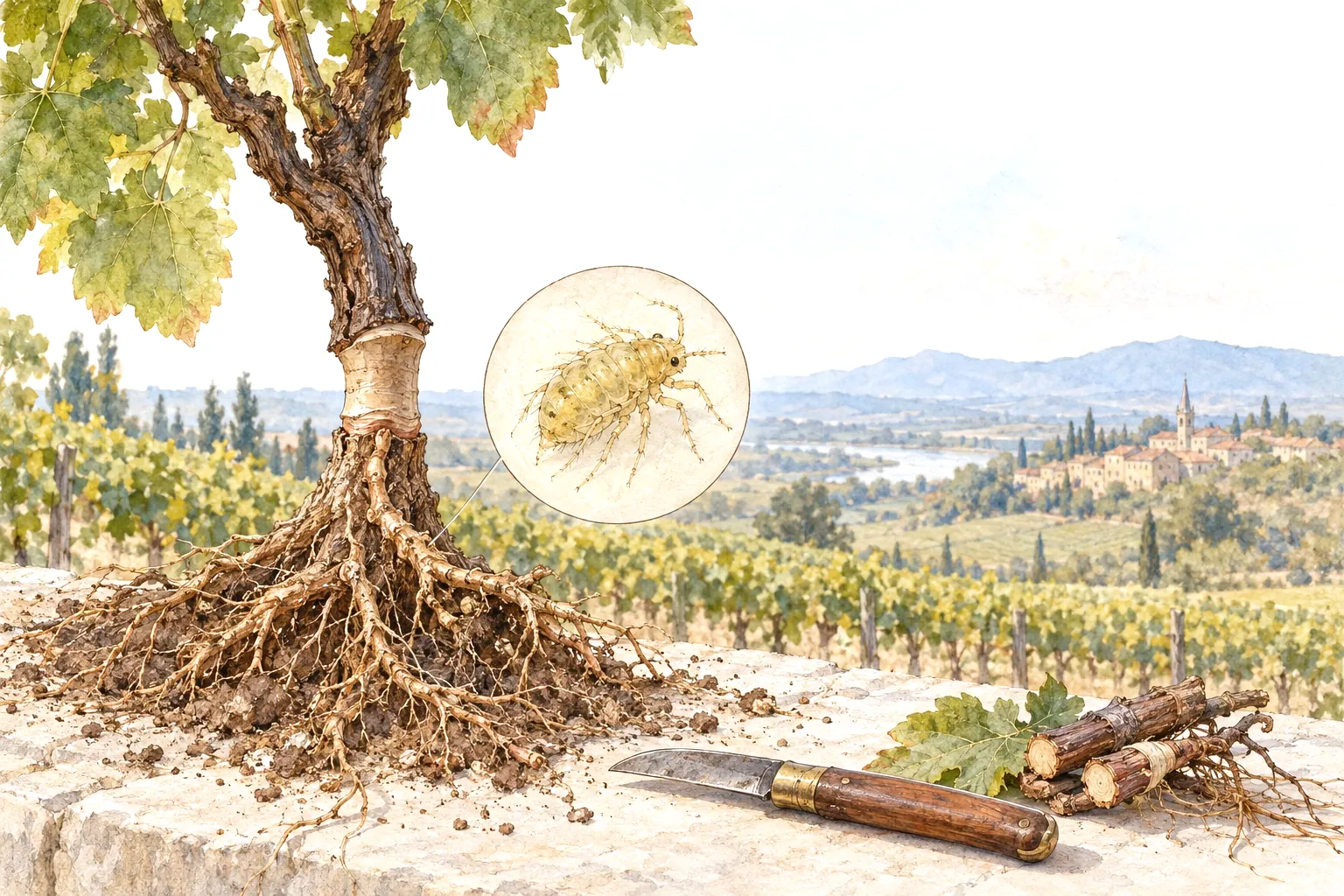
The war of 1870 and the phylloxera crisis forced a sale in 1889. The whole was knocked down for 600,000 francs to the Dijon property dealer Jules Million and the Savigny merchant Léonce Bocquet, who kept the château and 11 hectares. Million resold lots from 1890. The number of owners rose from 7 in 1890 to 19 in 1900, 30 in 1913 and 48 in 1920. It has kept rising since; the Côte de Nuits page counts some eighty today.
When appellation law arrived, the owners formed a syndicate in 1935 and the Clos de Vougeot appellation was delimited on 31 July 1937, largely on the nineteenth-century rankings. In 1934 a group of Burgundians had founded the Confrérie des Chevaliers du Tastevin at Nuits-Saint-Georges; on 29 November 1944 the deputy Étienne Camuzet, owner since 1920, sold the château to a society of friends that leased it to the Confrérie for 99 years. It became a listed historic monument in 1949.
Making a monastic legend
The Cistercians really did create the Clos, and for centuries it really was one of Burgundy's leading wines. What historians Jocelyne Pérard and Olivier Jacquet question is the more mystical story that grew around it in the twentieth century.
Nineteenth-century writers praised the monks as practical, skilled farmers. From the early 1900s, and especially between the wars, the tone changed. In 1931 the merchant Camille Rodier, a co-founder of the Tastevin, called the Clos "l'œuvre millénaire des moines de Cîteaux", the thousand-year work of the monks, and wrote that "de temps immémoriaux" it had been planted and replanted with Pinot, without giving any date. In 1955 Étienne de Moucheron, a senior officer of the Confrérie, wrote that the vines descended directly from those the monks had planted twelve hundred years earlier, though Cîteaux itself was then less than nine hundred years old.
The two historians show how this language, repeated by the trade, turned a monastic history into the founding legend of all Burgundy, useful for selling wine and for drawing visitors. The lesson for a reader is to keep the documented history, the cellier of the 1160s, the purchases, the sales of 1818 and 1889, separate from the romance that later grew around it.
How it connects
Place
- origin Vougeot In preparation
Wine region
- related Côte de Nuits
- related Burgundy
Grape variety
- related Pinot Noir
- related Gamay
Continue exploring
- CountryFrance162 entries in the atlas so far
 StoryPhylloxera: the insect that remade the vineyards of the worldFrance
 Grape varietyPinot Noir
- Wine regionBurgundyBeaune, France
- Wine regionCôte de NuitsNuits-Saint-Georges, France
 RecipeBaeckeoffeAlsace, France
 RecipeBœuf bourguignonDijon, France
 RecipeCoq au vinBurgundy, France
 RecipePommes de terre à la lyonnaiseLyon, France
 Grape varietyGamay