Explore the world · Ingredient history · Reference page
Spices and salt: pepper, nutmeg and the taxed necessity
Pepper from India was in Egypt by the thirteenth century BCE. Cloves and nutmeg came from a few islands in the Moluccas, and in 1621 the Dutch East India Company completed a conquest of the Banda Islands in which most of their people were killed, starved or deported, so that it could control nutmeg. Salt was produced on an industrial scale in the Bronze Age, traded widely, and taxed in France and British India.
Pepper and cinnamon in the ancient world
The spice trade is older than the empires that later fought over it. Peppercorns, which are native to southern India, were used in the mummification of the Egyptian pharaoh Ramses II in 1213 BCE. Dental calculus from Megiddo, in today's Israel, shows that people there ate South Asian turmeric in the second millennium BCE. A 2023 study sums up the evidence: turmeric, cinnamon and black pepper were moving from South Asia to the Mediterranean in that millennium.
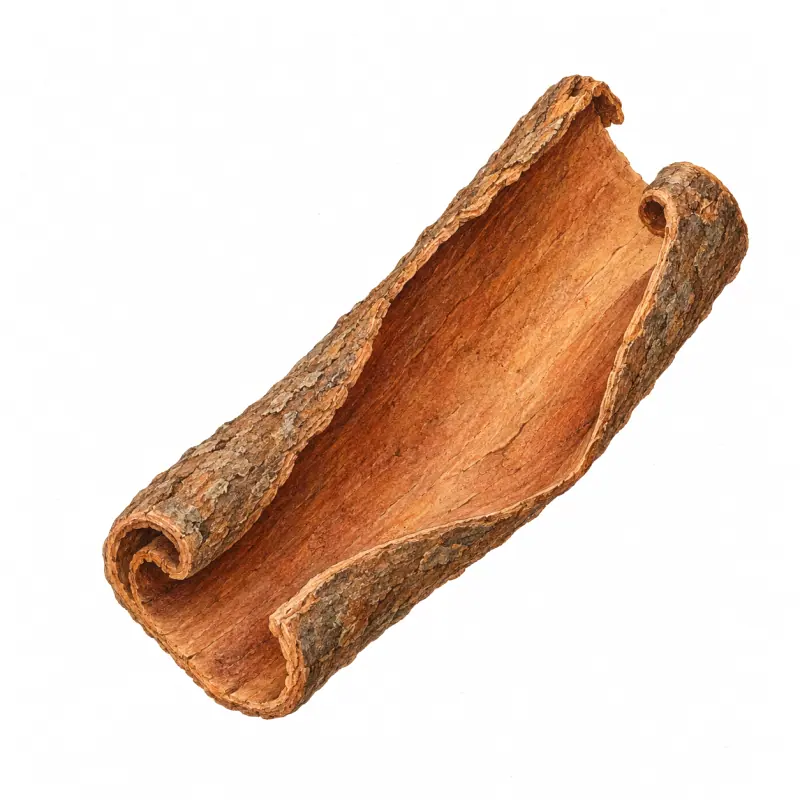
Cinnamon needs care with names. True cinnamon, Cinnamomum verum, is native to Sri Lanka. Cassia comes from related trees in China, Vietnam, Indonesia and India. Egyptian texts are often said to mention cinnamon for embalming, but no samples have been directly identified, so the claim is uncertain. Cinnamon has been reported from three sites in Israel of the eleventh and tenth centuries BCE, though a 2021 study argues that such early identifications should be reconsidered.
Under Rome the trade became large. At Quseir al-Qadim, a Red Sea port in Egypt known in Roman times as Myos Hormos (about AD 1-250), excavators recovered black pepper, ginger, cardamom and turmeric among at least seven tropical spices. The range was different when the same port worked again in the Islamic period, from about AD 1050 to 1500.
Cloves and nutmeg from the Moluccas
Two of the most valuable spices grew in only a few places. Clove trees are native to the volcanic islands of the northern Moluccas in eastern Indonesia, the original Spice Islands. Nutmeg and mace come from the Banda Islands further south. Starch grains of nutmeg on potsherds from Pulau Ay in the Bandas date to about 1500-300 BCE. Claims for nutmeg in ancient Egypt and Israel remain unproven, and a clove reported at Terqa in Syria, dated to about 1700 BCE, is also disputed.
By the early centuries CE these spices were moving widely. Grinding stones at Oc Eo, a port of the Funan state in southern Vietnam, carry traces of clove, nutmeg, cinnamon, turmeric and ginger, which the authors read as the earliest curry in South-East Asia. In China, a Han court rule recorded around 200 CE told ministers to suck cloves to sweeten their breath before speaking to the emperor. In Europe, spices remained a luxury of the powerful. When the Danish king Hans sailed to a summit at Kalmar in 1495, his flagship Gribshunden carried saffron, ginger, cloves and peppercorns. At anchor off Ronneby on the way, the ship caught fire and sank, and the spices were found in its wreck.
Banda, 1621: nutmeg and the Dutch East India Company
Until the mid-eighteenth century the Banda Islands were the only place in the world where nutmeg and mace were grown. Europeans fought to control them. The Dutch East India Company (VOC) arrived in 1609 and set out to take over the nutmeg trade. The English made an agreement with the people of Run (Rhun), whose leaders accepted King James I as their sovereign. Amsterdam's National Maritime Museum says plainly that "no means was shunned to gain a monopoly".
In 1621 the VOC sent a punitive expedition under Governor-General Jan Pieterszoon Coen to conquer Lontor (Banda Besar), the largest island. It was the last stage of a step-by-step conquest that included fortifications and massacres on Neira, Ay, Run and Lontor. Forty-four orang kaya, the village leaders, were accused of plotting to kill Coen, tortured on the rack and executed. About 800 Bandanese were deported to Batavia. Most of the dead were people who fled into the mountains and died there of hunger and hardship, and an unknown number escaped by boat. A 2025 study estimates that about 90 % of the islands' original people died.
The VOC then divided the nutmeg groves into perken (plantations) run by Dutch perkeniers and worked by enslaved and forced labour. Indonesia's proposal to UNESCO describes this plantation system, with its forts and colonial town, lasting until independence. Today the Cakalele dance on Banda recalls the massacre of the orang kaya. In the Treaty of Breda of 1667 the English gave up their claim to Run, and the Indonesian proposal notes that they received Manhattan in exchange.
Salt: the first industry
Salt keeps food and is needed by the body, and archaeologists think its production and trade were critical to early states. Proving ancient salt-making is hard, because the product itself does not survive. At Zhongba, on the Yangzi in Chongqing, Flad and colleagues used chemical and mineral analyses of the site's pottery to show that salt was the site's main product in the first millennium BC. Workers boiled brine in ceramic vessels until salt crystallised. The earliest phase, about 2000-1750 BC, used large pointed-bottom vats.
In the Alps, salt shaped a whole landscape. UNESCO's description of Hallstatt, a name meaning "salt settlement", records salt exploited from the second millennium BC. By the Middle Bronze Age people were capturing natural brine and evaporating it. Underground mining began at the end of the Late Bronze Age and resumed in the eighth century BC, when the Iron Age society now called the Hallstatt culture grew rich. Mining continued under Rome and revived in the fourteenth century.
Salt roads and royal mines
Salt sources are unevenly spread, so salt travelled. Hallstatt's Iron Age salt society had trade links across Europe. In China, surplus salt from the Three Gorges was traded beyond the region, drew the area into contact with the middle Yangzi, and became essential to the armies of the expanding states of Qin and Chu. Controlling salt meant controlling a resource everyone needed.
Rulers made salt a royal business. In southern Poland, rock salt has been mined at Wieliczka and Bochnia since the thirteenth century. The two mines worked continuously into the late twentieth century as one royal company, the Kraków Saltworks. In the Jura of eastern France, the Great Saltworks of Salins-les-Bains was active for at least 1,200 years until 1962. Brine was pumped from underground and boiled over wood fires. In 1775, under Louis XVI, the architect Claude Nicolas Ledoux began the Royal Saltworks of Arc-et-Senans beside the great Chaux forest, to be close to its wood for fuel. From 1780 to 1895 brine travelled 21 km to it through wooden pipes.
The gabelle and other salt taxes
Because everyone needs salt, governments taxed it. In France the salt tax was the gabelle. According to France's economic and financial archives, before 1547 salt was taxed at rates that varied by province, but its trade was free. Letters patent of 4 January 1547 gave the state a monopoly of sale through its greniers à sel (salt warehouses), which it farmed out to merchants, and in 1578 they combined into a general farm of the gabelle. An ordinance of May 1680 divided the kingdom into six zones with different rules and prices. The differences encouraged a specific crime, salt smuggling (faux-saunage), and the hated tax caused many revolts. The Constituent Assembly abolished the gabelle on 1 December 1790. It was reinstated in 1806 and did not finally disappear until the finance law of 31 December 1945.
British India had its salt monopoly too, and it became a symbol of protest. On 12 March 1930 Mahatma Gandhi set out from Sabarmati Ashram near Ahmedabad with a band of followers to walk about 385 km (240 miles) to Dandi on the Gujarat coast. On 6 April he picked up a lump of natural salt on the shore and so broke the Salt Law. According to the Sabarmati Ashram's account, the law was then broken all over the country.
How it connects
Ingredient
- related Cassia bark
- related Cubeb
- related Grains of paradise
Recipe
- related Speculoos
- related Goan fish curry
- related Gravlax
- related Bacalhau à brás
Continue exploring
- CountryIndonesia7 entries in the atlas so far
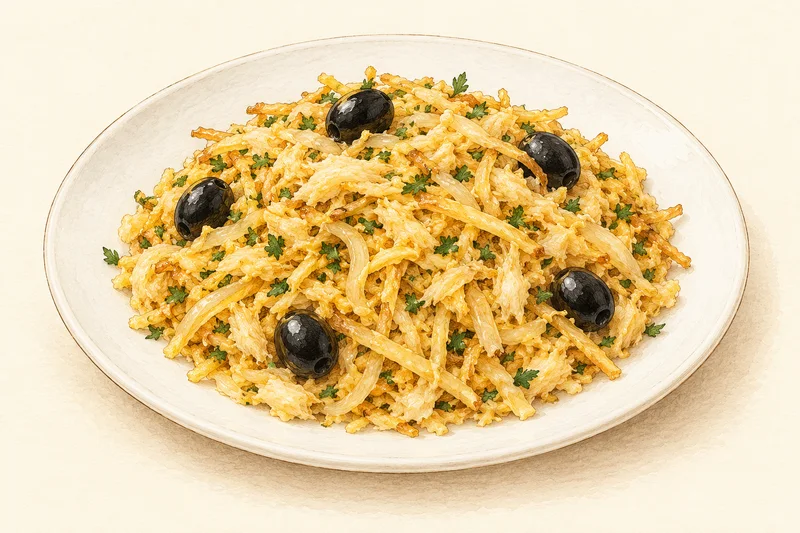 RecipeBacalhau à brásPortugal
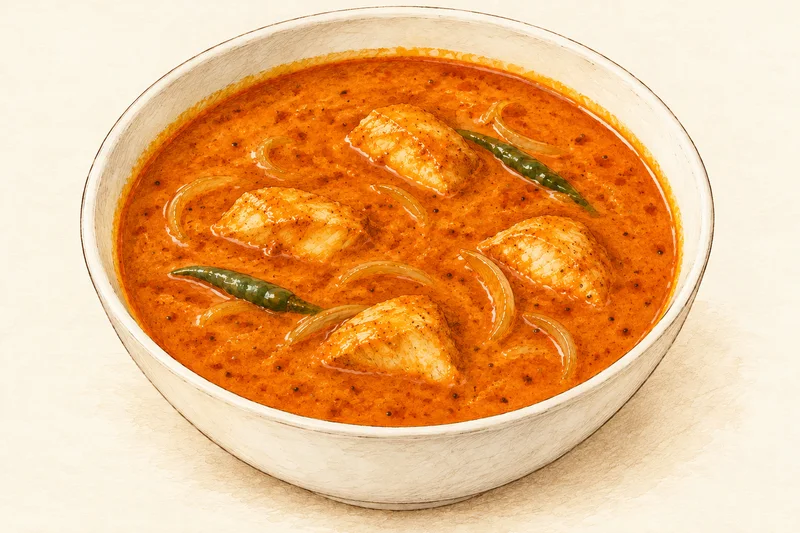 RecipeGoan fish curryGoa, India
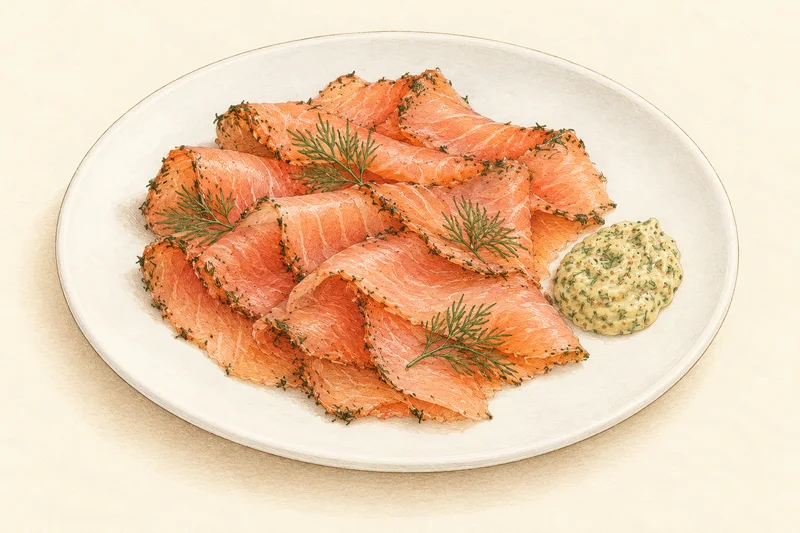 RecipeGravlaxSweden
 RecipeSpeculoosBelgium
- StoryCoffee: from Ethiopian forests to the world's cafésEthiopia
- StoryMeat and butchery: from the first herds to the packing houseUnited States of America
- IngredientCassia barkCinnamomum cassia (bark), the species shown in the illustration; sources do not specify the species used by distillers
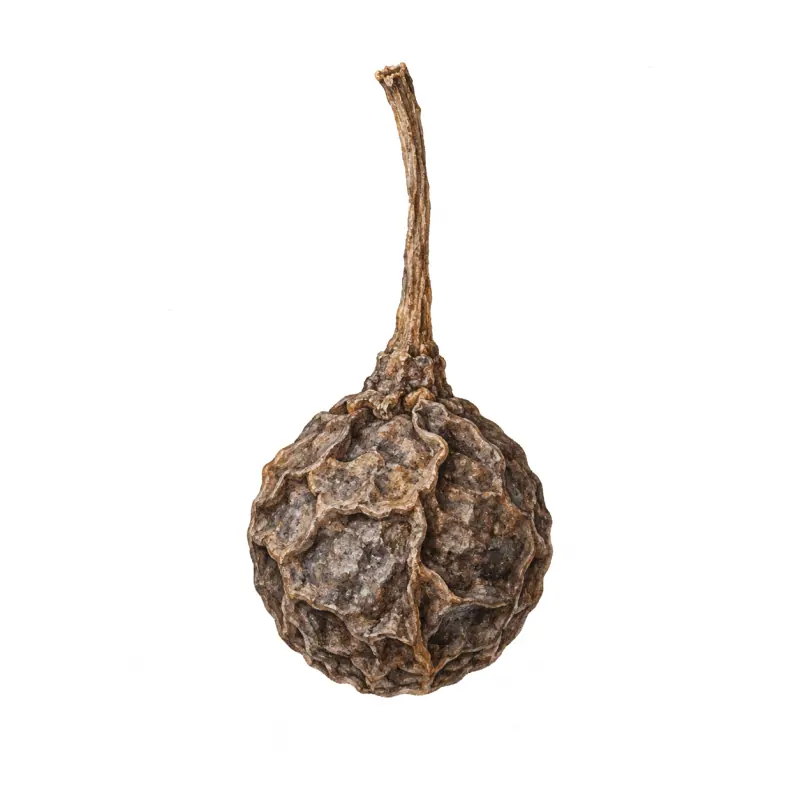
- IngredientCubebPiper cubeba
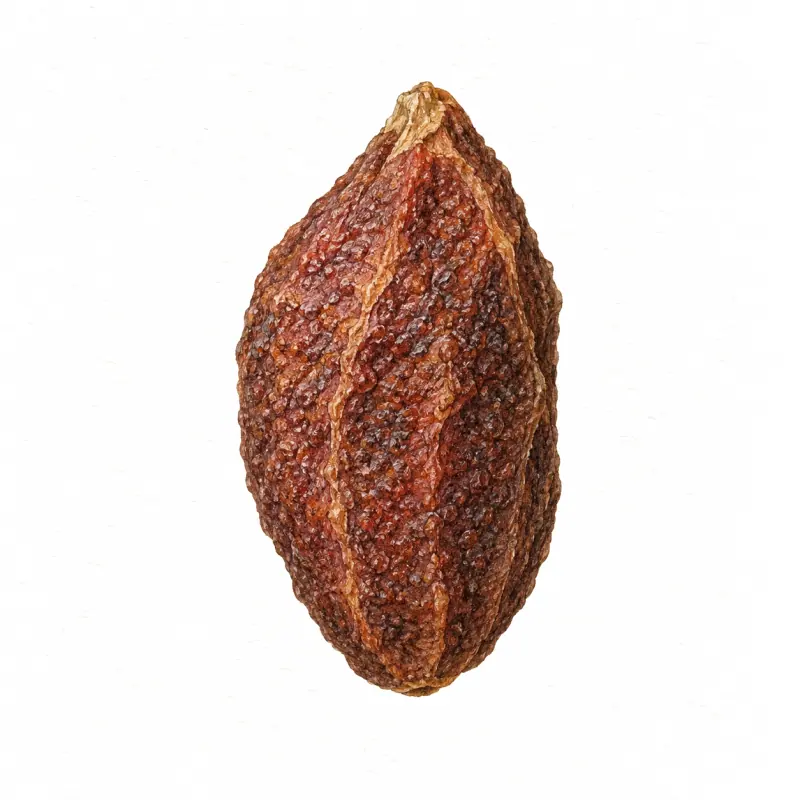
- IngredientGrains of paradiseAframomum melegueta